

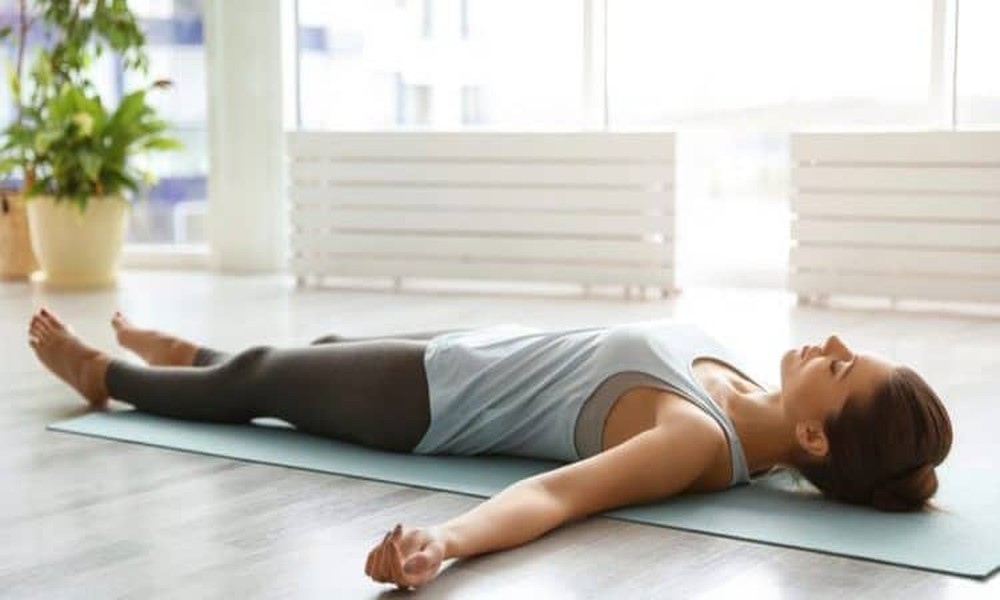
Modern life often brings pressure from work, personal responsibilities, financial concerns, and constant digital distractions. These challenges can affect emotional health, mental focus, and overall well-being. Many people experience anxiety, mental exhaustion, and difficulty relaxing after busy daily routines. To manage these problems naturally, many individuals turn to yoga and meditation.
Yoga and meditation have been practiced for centuries to support physical balance, emotional calmness, and mental awareness. These practices encourage relaxation, controlled breathing, mindfulness, and healthy movement. Regular practice may help people feel calmer, think more clearly, and manage stress more effectively.
Today, yoga and meditation are widely used as natural wellness practices for improving mental clarity and emotional balance.
What Is Yoga?
Yoga is a practice that combines physical movement, breathing exercises, and mental focus to support overall well-being. While many people associate yoga with flexibility and exercise, it also focuses on emotional balance and inner calmness.
Yoga includes several important elements:
Physical Postures
Different poses improve flexibility, posture, balance, and body awareness.
Breathing Techniques
Controlled breathing exercises help calm the nervous system and reduce tension.
Relaxation Practices
Yoga encourages deep relaxation and stress reduction.
Mindfulness
Awareness of movement and breathing helps improve concentration and emotional control.
Yoga is suitable for people of different age groups and fitness levels.
Understanding Stress and Its Effects
Stress is the body’s natural response to challenges and pressure. Short-term stress can help people stay alert, but constant stress may negatively affect both mental and physical health.
Common effects of stress include:
- Anxiety
- Fatigue
- Irritability
- Poor sleep
- Difficulty concentrating
- Muscle tension
- Emotional exhaustion
Long-term stress may also affect relationships, productivity, and overall health. Managing stress early is important for maintaining emotional balance.
How Yoga Helps Reduce Stress
Yoga helps calm both the mind and body through movement, breathing, and relaxation. Gentle stretching and controlled breathing encourage the nervous system to relax naturally.
Benefits of yoga for stress management may include:
- Reduced anxiety
- Improved mood
- Better sleep quality
- Increased emotional calmness
- Improved concentration
- Reduced muscle tension
Many people use yoga as a daily practice to release emotional pressure and create mental balance.
Best Yoga Practices for Relaxation
Different styles of yoga focus on relaxation and emotional well-being.
Hatha Yoga
Hatha yoga includes slow movements and breathing exercises that support beginners and relaxation.
Restorative Yoga
This gentle style focuses on relaxation and stress relief through supported poses.
Yin Yoga
Yin yoga uses slow stretches held for longer periods to release physical tension.
Breathing Exercises
Simple breathing techniques may help reduce emotional stress and calm the mind.
Many people include Yoga in their daily routine to support emotional balance and improve overall well-being.
The Role of Meditation in Mental Clarity
Meditation is a practice that helps calm mental activity and improve awareness. It encourages individuals to focus on the present moment instead of becoming overwhelmed by stress or distractions.
Meditation may help:
- Reduce overthinking
- Improve concentration
- Increase emotional awareness
- Support relaxation
- Improve patience
- Encourage inner calmness
Regular meditation practice may improve the ability to manage emotions and maintain mental focus.
Simple Meditation Techniques for Stress Relief
Meditation does not need to be complicated. Simple methods can provide noticeable relaxation benefits.
Deep Breathing Meditation
Slow breathing helps calm the nervous system and reduce emotional tension.
Mindfulness Meditation
This method focuses on observing thoughts calmly without reacting emotionally.
Guided Meditation
Guided audio sessions help beginners relax through calming instructions.
Body Scan Meditation
Attention is focused on relaxing different body parts gradually.
Practicing meditation regularly may improve emotional stability and mental clarity over time.
Building a Healthy Routine with Yoga and Meditation
Consistency is important when using yoga and meditation for stress management.
Set Aside Quiet Time
Practicing in a peaceful environment improves focus and relaxation.
Practice Daily
Even short sessions may provide emotional and mental benefits when practiced regularly.
Reduce Digital Distractions
Limiting screen time before meditation may improve concentration.
Focus on Breathing
Controlled breathing is an important part of both yoga and meditation.
Stay Patient
Mental calmness develops gradually with regular practice.
Simple and consistent routines often provide better long-term results.
Can Yoga and Meditation Improve Sleep?
Stress and anxiety are common causes of poor sleep quality. Yoga and meditation help calm the mind and relax the body before bedtime.
Benefits may include:
- Reduced nighttime anxiety
- Improved relaxation
- Better emotional calmness
- Healthier bedtime routines
- Improved sleep quality
Gentle stretching and breathing exercises before bed may help the body transition into restful sleep more naturally.
Common Mistakes to Avoid
Certain habits may reduce the effectiveness of yoga and meditation practices.
Expecting Immediate Results
Stress management often improves gradually with regular practice.
Practicing Inconsistently
Irregular routines may reduce long-term benefits.
Ignoring Breathing Techniques
Breathing exercises are important for emotional relaxation.
Comparing Progress with Others
Yoga and meditation are personal practices that develop differently for everyone.
Simple and realistic routines are usually easier to maintain.
Why Mental Clarity Matters
Mental clarity supports focus, emotional balance, and decision-making. Constant stress and distractions may reduce concentration and increase emotional pressure.
Yoga and meditation encourage calmness and awareness, helping people manage daily challenges more effectively. Over time, these practices may improve emotional resilience and overall mental well-being.
The benefits of managing Stress become more noticeable when healthy relaxation habits are practiced consistently.
Conclusion
Yoga and meditation provide natural and effective ways to manage stress and improve mental clarity. Breathing exercises, mindful movement, relaxation techniques, and meditation practices help calm the mind and support emotional balance.
Although every person experiences stress differently, many individuals find that regular yoga and meditation improve relaxation, concentration, and overall well-being. By creating consistent wellness routines and practicing mindfulness regularly, it becomes easier to maintain emotional calmness and healthier daily habits.
Small changes in daily routines combined with mindful practices may lead to long-term improvements in mental and physical health.
FAQs
How does yoga help reduce stress?
Yoga helps relax the nervous system through breathing exercises, stretching, and mindfulness practices.
Can meditation improve mental clarity?
Yes, meditation may help reduce overthinking and improve focus and emotional awareness.
How often should I practice yoga for stress relief?
Many people practice yoga several times a week or daily for better relaxation and consistency.
Is yoga suitable for beginners?
Yes, gentle yoga styles such as Hatha yoga are beginner-friendly and focus on relaxation.
Can yoga and meditation improve sleep?
Yes, both practices may help calm the mind and support healthier bedtime relaxation.
Do I need special equipment for yoga and meditation?
No, simple comfortable clothing and a quiet space are usually enough to begin.