

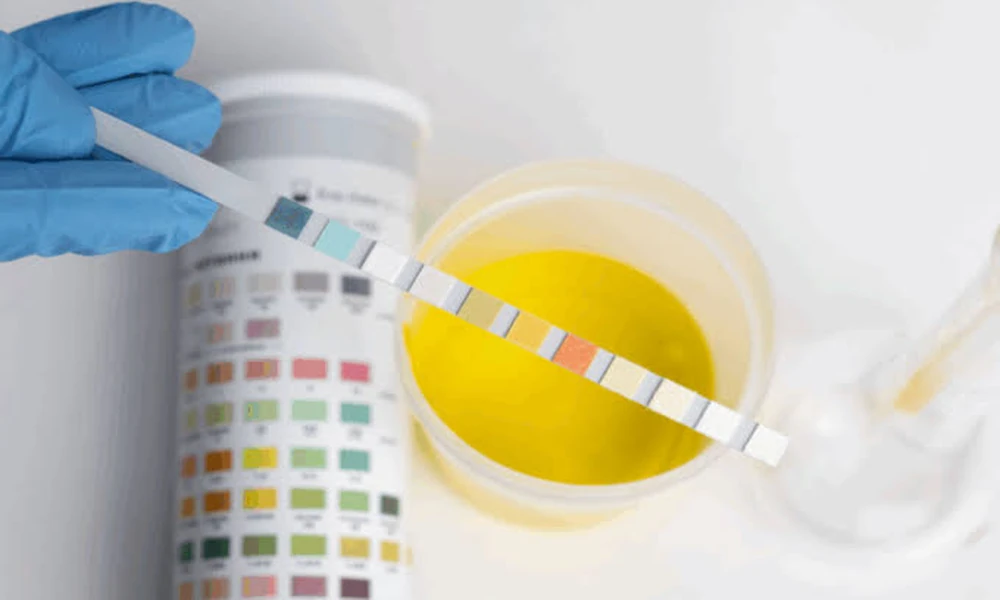
Synthetic urine can support controlled practice where stable handling matters. Synthetic urine is prepared to offer predictable properties during laboratory simulation activities. Portable formats can reduce handling effort when materials move between approved work areas. Storage design affects shelf life and readiness. A human urine substitute may suit tasks requiring consistent preparation and straightforward handling for planned routine work needs.
Compact Formats Improve Carrying Ease
Compact packaging keeps materials organized. Smaller containers need less room. Sealed formats limit contact during handling. Training activities can benefit from human urine substitute materials that support practical exercises.
- Compact containers occupy less room during routine material handling.
- Sealed pouches reduce unnecessary contact during short-distance movement.
- Lightweight formats make carrying between approved areas easier.
- Firm closures help keep contents contained during handling.
Storage Conditions Support Stability
Storage requirements should match. Temperature limits can affect condition. Dry storage with limited light supports preservation. Containers should remain closed until required.
- Stable room conditions help preserve intended product characteristics longer.
- Protective wrapping limits exposure to dust during storage.
- Secure closures help reduce accidental leakage during placement.
- Clear expiry details support better stock rotation practices.
Portability And Storage Need Balance
Portability should match storage conditions. Small formats can save space. Larger ready forms may offer easier access while using more room. Selection works when transport needs match storage capacity. Before purchase, compare size with closure quality. Check storage limits with preparation needs plus frequency. These points can help identify a practical option.
Premixed Formats Simplify Readiness
Premixed formats reduce preparation steps before activities. They suit settings where quick access matters. Ready forms may need extra storage room. Synthetic urine products should follow stated guidance.
- Ready formats reduce preparation steps before planned laboratory activities.
- Sealed containers support convenient handling during scheduled sessions.
- Larger packaging may require additional shelf space for storage.
- Simple access can help organize short preparation periods.
A suitable selection should match carrying needs with storage capacity. Preparation preferences should also match planned frequency. Compact powdered formats can suit limited storage areas while premixed choices may support faster readiness. Checking packaging strength with storage instructions can improve planning. Expiry information supports planning. A balanced choice keeps handling simple while supporting dependable preparation for controlled laboratory simulation tasks.
FAQs
Which format needs less storage space during routine use?
Powdered formats generally require less room before preparation begins safely.
Are premixed formats easier to prepare for scheduled activities?
Yes, premixed formats usually require fewer preparation steps before use.
What should be checked before selecting a portable format?
Check container strength with storage limits. Confirm closure quality with expiry details.