

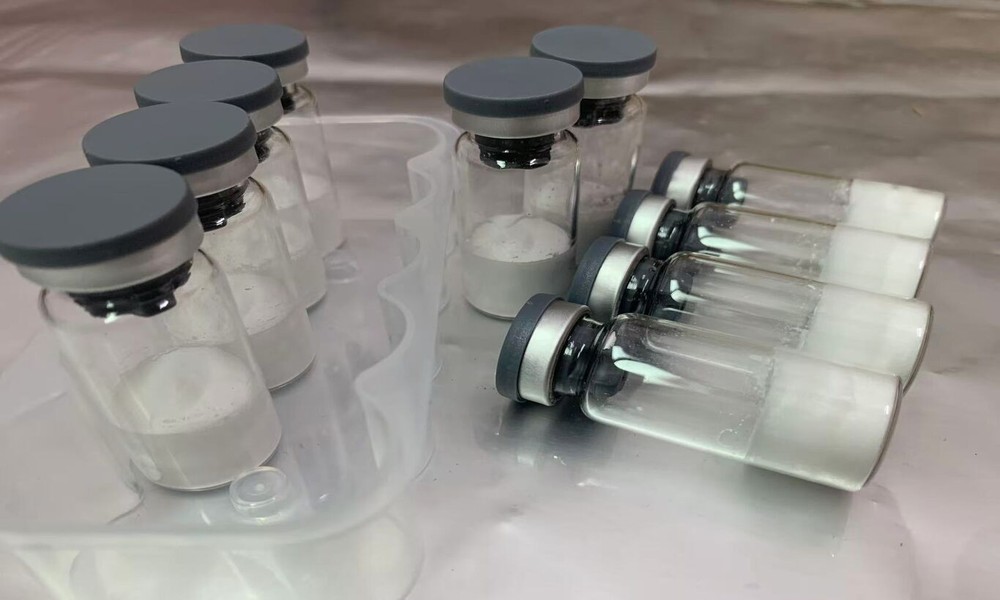
Peptides have quickly emerged as one of the most exciting developments in modern medicine, wellness, and aesthetics. These short chains of amino acids act as precise biological messengers in the body, allowing for highly targeted therapeutic effects. As research advances, peptides have shown potential benefits ranging from improved muscle growth and faster recovery to enhanced fat loss, better metabolic health, and visible rejuvenation of skin and connective tissue. The specificity and versatility of peptides and a top quality peptide supplier make them especially appealing in the fields of anti-aging and personalized medicine.
However, the rapid rise in popularity of peptide therapies has also created an environment where abuse, misinformation, and fraud are increasingly common. As demand surges, so does the number of illicit products flooding the market, many of which are poorly made, misrepresented, or outright counterfeit. This growing gap between scientific promise and marketplace reality presents serious risks for consumers seeking health and wellness solutions.
Legitimate Peptide Manufacturing and Regulatory Standards
For peptides to be legally sold for human use in the United States, they must be produced in FDA-regulated manufacturing facilities or licensed compounding pharmacies. This process is highly complex and extremely expensive, as it involves strict adherence to pharmaceutical-grade standards. Every stage of production requires precise documentation, sterile cleanroom environments, validated procedures, and ongoing third-party testing to verify potency, purity, and sterility.
Manufacturers must comply with established pharmacopeia standards, undergo frequent quality audits, and maintain detailed batch tracking systems to ensure traceability and safety. Regulatory compliance alone can cost tens of thousands of dollars per product, particularly for sterile injectable formulations. These safeguards exist to protect patients, but they also significantly increase the cost of legitimate peptide therapies. The result is a product that is carefully controlled, consistently dosed, and far safer for medical use.
How Online Peptide Sellers Avoid Oversight
In contrast, many online peptide sellers operate outside of these regulatory frameworks by exploiting loopholes. Products are commonly labeled “for research purposes only” or “not for human consumption,” even though they are often marketed in ways that clearly appeal to individuals seeking medical or cosmetic benefits. This strategy allows sellers to sidestep direct regulatory scrutiny while still targeting consumers.
To further reduce costs, many of these vendors source peptides from overseas facilities that are not subject to U.S. manufacturing laws. They frequently operate without licensed pharmacists, skip third-party laboratory testing, and avoid batch tracking altogether. When enforcement actions occur, some simply shut down and reappear under new names or websites. While these practices allow peptides to be sold at dramatically lower prices, they remove nearly every safeguard designed to ensure product safety and authenticity.
What Research Reveals About Online Peptide Quality
Independent laboratory analyses and published studies have repeatedly shown serious quality issues with peptides purchased online. Investigations into illegally sourced peptide drugs have revealed widespread mislabeling, incorrect active ingredients, undisclosed substances, and harmful impurities. In some cases, products marketed as popular injectable peptides contained wildly inaccurate dosages, extremely low purity levels, or bacterial contaminants that pose real health risks.
Additional regulatory reviews have documented products that were swapped with unrelated peptides, still in experimental or preclinical stages, or completely inactive despite being sold as therapeutic compounds. Inconsistent dosing, synthetic adulterants, and counterfeit formulations are common findings. These results demonstrate that price savings often come at the expense of safety, reliability, and effectiveness.
Real-World Patient Harm Linked to Online Peptides
Beyond laboratory findings, real-world case reports highlight the dangers associated with unregulated peptide use. Patients have experienced serious complications after injecting peptides purchased online, including severe infections, allergic reactions, gastrointestinal distress, kidney injury, and other adverse effects. Some cases involved ineffective products that provided no benefit, while others resulted in unexpected and dangerous side effects due to contamination or incorrect dosing.
Healthcare providers increasingly report seeing patients who have used discounted online peptides and present with complications that require medical intervention. These incidents underscore that the risks are not theoretical; they are happening in real clinical settings with real consequences.
Why Cheap Peptides Come With Hidden Costs
The lower price of online peptides is often the primary reason consumers are drawn to them. However, that affordability exists only because sellers avoid the extensive testing, regulatory compliance, and quality controls required for legitimate pharmaceutical products. Without sterility testing, potency verification, or oversight, consumers are exposed to unpredictable outcomes, including underdosing, overdosing, contamination, and exposure to experimental or counterfeit substances.
While peptides hold enormous promise for the future of medicine and wellness, their benefits depend entirely on proper formulation, accurate dosing, and safe manufacturing practices. When those elements are missing, the risks can far outweigh any potential reward.
The Bottom Line on Peptide Safety
Peptides purchased online are not merely cheaper alternatives; they are fundamentally less safe. The absence of regulation, testing, and accountability creates an environment where mislabeling, contamination, and counterfeit products are common. A far safer approach is to pursue peptide therapy under the guidance of a licensed healthcare provider using products sourced from FDA-regulated compounding pharmacies. This ensures that peptide treatments are tailored to individual health needs and delivered with the safety standards necessary to protect long-term well-being.
When it comes to peptides, informed decisions are essential. The true cost of unregulated products is often paid not at checkout, but later in unpredictable and potentially serious health consequences.