

I was thinking about braces the other day, probably because I heard that faint metallic click sound at a dental clinic waiting area, you know the one, mixed with that super clean mint smell that burns your nose a little. And it reminded me how braces used to feel like this one big scary category, just wires and tight rubber bands and monthly tightening drama.
But then someone mentioned In-Ovation self-ligating braces, and I remember thinking braces that do not even use those little colored rubber ties? That sounded almost suspiciously futuristic.
If you are seeking the best orthodontist in Johns Creek, you must first talk to the professional team at Newpark Orthodontics. They will explain all about self-ligating braces it in a way that actually makes sense, even if you are not a “dental person.” They usually say these braces are designed to work more efficiently with the teeth’s natural movement instead of forcing everything with tight elastic ties.
Newpark Orthodontics often talks about how patients like them because adjustments are quicker, fewer visits are needed, and the overall experience feels calmer somehow. Less pressure, less drama. Which honestly sounds very appealing.
So, What Makes Them Different?
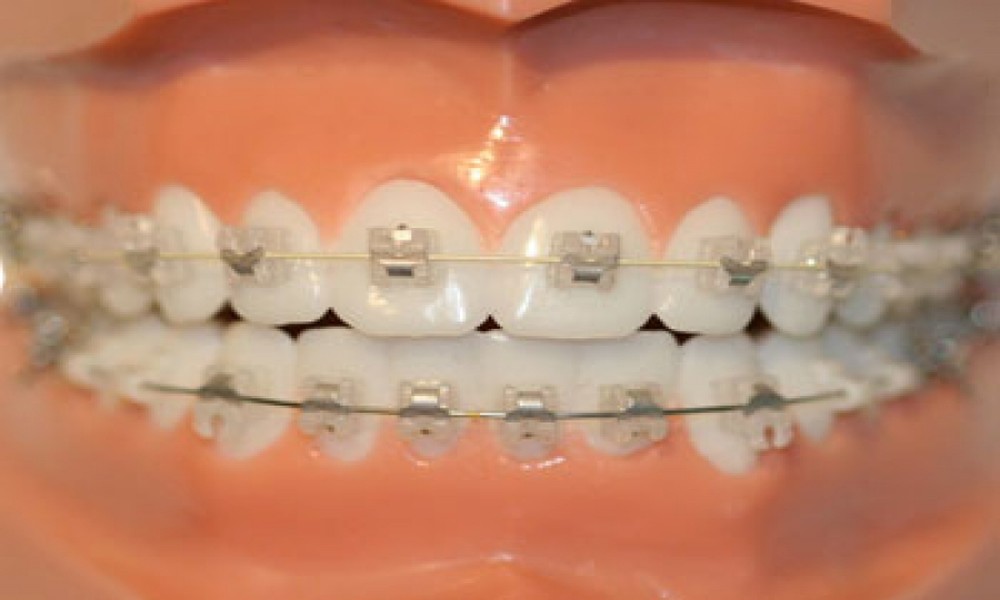
Ok, the main thing, and this is the big one, which is the bracket design. Instead of rubber bands holding the wire in place, In-Ovation braces use a tiny built-in clip.
That one change leads to a bunch of differences:
- No elastic ties that stain or trap food
- Less friction between the wire and bracket
- Teeth can move more naturally
- Adjustments are usually faster
It is a certain kind like comparing an old zipper that sticks versus one that glides smoothly. Same purpose, totally different experience.
How They Actually Work in Simple Terms
Well, I guess it is all about controlled, gentle pressure. The clip mechanism holds the wire loosely enough to allow teeth to shift gradually without constant tight squeezing.
Because there is less friction, orthodontists can use lighter forces, which means:
- Less soreness after adjustments
- Shorter chair time during appointments
- Sometimes fewer overall visits
It does not mean treatment is instant, though teeth still move slowly, because biology does not rush. But the process feels more comfortable overall.
Daily Life Feels a Bit Easier
This part surprised me when I first heard it. Apparently, many patients say In-Ovation braces make everyday routines simpler.
For example:
- Cleaning is easier without rubber ties trapping food
- Fewer emergency visits for broken elastics
- Less pressure pain after adjustments
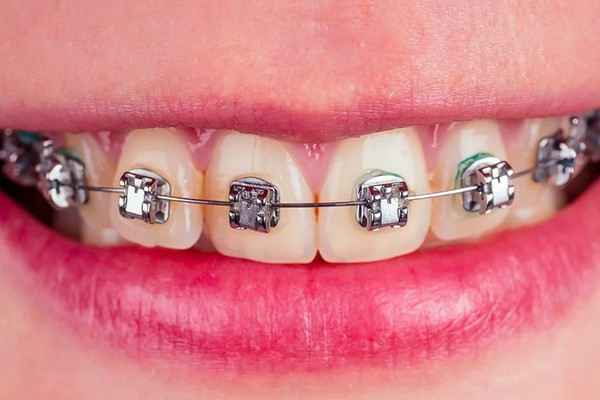
- They often look smaller and less bulky
And honestly, anything that reduces those uncomfortable moments with your braces is probably worth it.
Final Thought
It is funny how something as small as a tiny clip instead of a rubber band can change the whole orthodontic experience. Like, such a small design tweak, but it affects comfort, cleaning, and even your confidence.
Makes you realize sometimes progress is not about giant inventions, it is about small, smarter improvements that quietly make everyday life easier. And yes, In-Ovation braces can make you feel like one of those quiet upgrades.Top of FormBottom of Form