

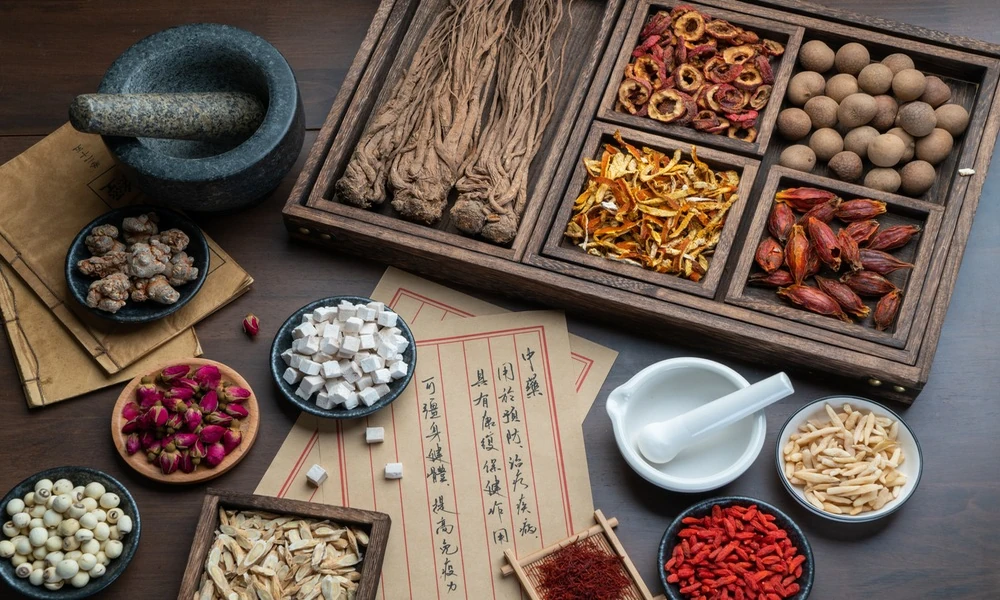
Eczema is a common skin condition. Many people have eczema are looking for the best cure, until they find traditional chinese medicine for eczema (濕疹中醫). This treatment reduces the frequency and intensity of worsening.
Eczema
Eczema is also called atopic dermatitis. It is a noncontagious skin condition characterized by:
- itchy
- dry
- inflamed skin
Eczema symptoms vary according to whether the stage of eczema is:
- acute
- subacute
- chronic
Symptoms
There are symptoms of eczema that you will notice. Check if you have any of the following:
- Brownish gray or red patches
- Small and raised bumps
- Scaly skin
- Intense itching
The causes of eczema
Eczema is due to the complex interaction of various factors:
- genetic
- immune
- environmental
A poor skin barrier with eczema results in:
- increased water loss from the skin
- leading to:
- dryness
- cracking
- inflammation
It creates an itch-scratch cycle that worsens the skin condition.
Chinese medicine view of eczema
Eczema is known as Shi Zhen in Chinese medicine. It is seen as a manifestation of an imbalance, most notably in the:
- Lung
- Spleen
- Kidney organ systems
Eczema occurs in two distinct patterns:
- Damp-Heat. It is where the condition is in the acute stage.
- Blood, fluid, and/or yin deficiency. It is where the condition is in the chronic stage.
Triggers eczema according to TCM
TCM has come up with the concept of why eczema is triggered. TCM highlights the various lifestyle factors and environmental influences that trigger eczema. It includes:
- Emotional stress
- Allergens
- Improper diet
- Poor digestion and poor diet
- Exposure to extreme weather conditions
- Weak immune system
TCM manages eczema
- TCM corrects internal imbalances of eczema. It reduces the triggers that cause eczema flare-ups. The therapeutic objectives of TCM include:
- reducing inflammation
- strengthening the immune system
- clearing heat
- dampness and/or toxins
- moisturizing the skin
- alleviating itchiness
Individual treatment plans include:
- Chinese herbal medicine
- acupuncture
- moxibustion
- tailored lifestyle
- dietary advice
4 ways Traditional Chinese Medicine helps with eczema
Chinese herbal medicine
Chinese herbal formulas are combinations of herbs to treat patterns of disharmony or imbalance within the body. The herbal formulas used for eczema include:
- Shi Zhen Fang
- Xiao Feng San
- Dang Gui Yin Zi
- Long Dan Xie Gan Tang
- Huang Lian Jie Du Tang
Acupuncture
Acupuncture helps eczema sufferers by:
- reducing itchiness and inflammation
- calming overactive immune responses
- reducing stress
Acupuncture activates the relaxation response in the nervous system.
Moxibustion
Research suggests moxibustion in dealing with eczema. It aids in healing eczema. This type of treatment relieves the inflammation. It enhances the immune function.
The dietary therapy
TCM believes certain foods can exacerbate inflammatory conditions, like eczema. These foods have:
- hot or cold properties
- too many hot foods
There are foods in TCM that are believed to possess specific therapeutic properties. TCM practitioners are qualified in creating dietary recommendations. These dietary recommendations improve self-healing inflammation.
Eczema is managed by maintaining a regular lifestyle as it positively impacted through:
- ample rest
- relaxation techniques
FAQs
What can moxibustion do for eczema?
Moxibustion uses the following:
- Ai Ye
- dried mugwort
What are examples of foods to avoid?
There are foods that can trigger eczema to come out. These are:
- chili peppers
- chocolate
- shellfish
- alcohol
The hot properties of these foods can worsen symptoms.
What are other foods that lessen the flare ups of eczema?
There are foods that reduce the flare-ups. You can eat the following:
- mung beans
- pears
- lotus root
How does Shi Zhen Fang treat eczema?
Shi Zhen Fang is a modern formula that resolves wind-heat. It transforms dampness to address skin rashes.
How does Xiao Feng San relieve itching?
Xiao Feng San is a classical formula to relieve itching. Practitioners ask for this formula when suffering from:
- early stages of a poison oak rash
- eczema flare-ups
- itching
- rash
- red skin
- lesions
- skin discharge