

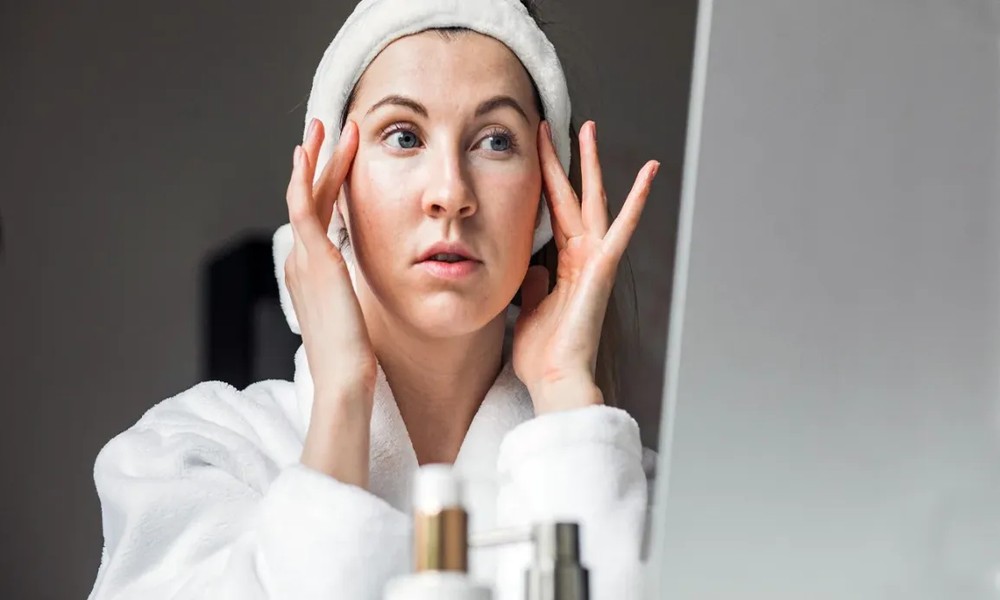
You’ve heard retinol is the gold standard for anti-aging. You’re ready to start. But then you hear the horror stories-red, flaky, peeling skin that looks worse than when you started.
Here’s the truth: retinol doesn’t have to wreck your skin. The peeling, irritation, and redness? That’s usually from starting too aggressively, not from retinol itself.
Let’s talk about how to introduce retinol the smart way-so you get all the benefits without looking like you’ve been sunburned for weeks.
Why Retinol Is Worth the Effort
Before we dive into the how, let’s quickly cover the why. Retinol isn’t just hype-it’s one of the most researched anti-aging ingredients available.
What retinol actually does:
- Speeds up cell turnover: Fresh skin cells replace old, damaged ones faster
- Boosts collagen production: Reduces fine lines and improves firmness
- Unclogs pores: Prevents breakouts and refines texture
- Fades hyperpigmentation: Evens out skin tone and dark spots
- Improves skin thickness: Strengthens skin structure over time
The results you can expect:
- Smoother, more refined texture
- Reduced appearance of fine lines
- Fewer breakouts and smaller pores
- More even skin tone
- Firmer, more resilient skin
But here’s the catch: you only get these benefits if you can tolerate retinol long enough to see results. That’s where most beginners fail.
Why Beginners Experience Peeling (and How to Avoid It)
The dreaded “retinol uglies”-that phase where your skin looks worse before it gets better-isn’t inevitable. It happens when you start too strong, too fast.
Common beginner mistakes:
- Starting with high concentration: Jumping straight to 1% retinol
- Using it every night immediately: Your skin needs time to adapt
- Skipping moisturizer: Retinol increases water loss
- Not using sunscreen: Retinol makes skin more sun-sensitive
- Combining with other actives: Layering acids, vitamin C, or exfoliants too soon
- Applying to damp skin: Increases penetration and irritation
What actually causes the peeling:
- Retinol accelerates cell turnover dramatically
- Your skin barrier gets temporarily compromised
- Moisture escapes faster than usual
- Dead skin cells shed more rapidly
- Inflammation increases if you overdo it
The solution? Start slow, support your barrier, and give your skin time to adapt.
The Beginner-Friendly Retinol Routine
This is the routine that gets you results without the drama. Follow it exactly for the first 6-8 weeks.
Week 1-2: Acclimation Phase
- Frequency: Once per week (pick one night)
- Application: Apply pea-sized amount to completely dry skin
- Wait time: 20-30 minutes after cleansing before applying retinol
- Follow-up: Wait 10 minutes, then apply rich moisturizer
- Goal: Let skin adjust without overwhelming it
Week 3-4: Gradual Increase
- Frequency: Twice per week (Monday and Thursday)
- Application: Same method-dry skin, wait times
- Moisturizer: Continue with barrier-supporting ingredients
- Monitor: Watch for any irritation; if present, stay at this frequency longer
Week 5-8: Building Tolerance
- Frequency: Every other night (3-4 times per week)
- Application: Can reduce wait time to 10-15 minutes if tolerating well
- Moisturizer: Still essential every single time
- Progress check: Should see initial improvements in texture
Week 9+: Maintenance
- Frequency: 4-5 nights per week (or nightly if tolerating perfectly)
- Application: Can apply to slightly damp skin if no irritation
- Results: Visible improvements in texture, tone, and firmness
Retinol Face Cream combines retinol with peptides and barrier-supporting ingredients like Panthenol, Niacinamide, Ceramides, and Centella Asiatica Extract-designed for overnight skin renewal with comfort in mind, making it a great choice depending on which glow-getter is right for your skin type.
The Complete Beginner Retinol Routine (Step-by-Step)
PM Routine on Retinol Nights:
- Gentle cleanser: Remove makeup and sunscreen thoroughly
- Pat dry completely: Wait 20-30 minutes (seriously, set a timer)
- Apply retinol: Pea-sized amount, avoid eye area and lips
- Wait 10 minutes: Let it absorb fully
- Apply moisturizer: Generous layer with barrier-supporting ingredients
- Optional occlusive: Thin layer of facial oil or balm on dry areas
PM Routine on Non-Retinol Nights:
- Gentle cleanser: Same as retinol nights
- Hydrating toner or essence: Optional but helpful
- Moisturizer: Focus on barrier repair and hydration
- Recovery support: Consider soothing ingredients like Centella or Ceramides
AM Routine (Every Day):
- Gentle cleanser: Or just water if skin feels dry
- Antioxidant serum: Vitamin C works well with retinol (morning only)
- Moisturizer: Lightweight, hydrating formula
- Sunscreen SPF 30+: Non-negotiable when using retinol
Supporting Ingredients That Make Retinol Easier
Don’t use retinol alone-pair it with ingredients that support your skin barrier and reduce irritation.
Barrier-supporting heroes:
- Ceramides: Repair and strengthen skin barrier
- Niacinamide: Reduces inflammation, supports barrier function
- Panthenol (Vitamin B5): Soothes and hydrates
- Centella Asiatica: Calms irritation and supports healing
- Hyaluronic Acid: Maintains hydration levels
- Peptides: Support collagen production alongside retinol
What to avoid while starting retinol:
- Physical or chemical exfoliants (AHAs, BHAs)
- Vitamin C in the same routine (use in AM instead)
- Benzoyl peroxide (too drying when combined)
- Harsh cleansers or toners with alcohol
- Fragranced products (increase irritation risk)
Troubleshooting Common Issues
If you experience mild dryness:
- Reduce frequency temporarily
- Add an extra layer of moisturizer
- Use a hydrating serum underneath
- Apply facial oil over moisturizer
If you see redness or irritation:
- Take a 3-5 day break
- Focus on barrier repair (Ceramides, Centella)
- When restarting, drop back to once weekly
- Consider “buffering” (applying moisturizer first, then retinol)
If you experience peeling:
- Stop retinol for 5-7 days
- Use gentle, hydrating products only
- Don’t pick or exfoliate the flaking skin
- Resume at lower frequency when healed
If you see no results after 12 weeks:
- You might need a higher concentration
- Ensure you’re using it consistently (not sporadically)
- Check that product hasn’t expired
- Consider prescription-strength options
The Buffering Technique (For Extra Sensitive Skin)
If you’re nervous about irritation, try the “sandwich method”:
- Cleanse and dry skin completely
- Apply thin layer of moisturizer
- Wait 10 minutes
- Apply retinol over moisturizer
- Wait 10 minutes
- Apply another layer of moisturizer
This reduces penetration slightly but also reduces irritation significantly. It’s a great way to build tolerance before applying retinol directly.
Complementary Products for Better Results
Morning brightening:
Vitamin C Face Cream pairs well with nighttime retinol use-apply in the morning for brightening and antioxidant protection while retinol works at night. For more tips on finding the right formula, see how to choose the best vitamin C moisturizer for a lit-from-within glow.
Targeted eye care:
The eye area is too sensitive for retinol initially. Use a dedicated eye cream with gentler ingredients like peptides and Vitamin C instead.
Timeline: What to Expect and When
Week 1-4: Adjustment Phase
- Possible mild dryness or flaking
- No visible improvements yet
- Skin may feel slightly sensitive
Week 4-8: Early Results
Week 8-12: Visible Transformation
Month 4-6: Peak Results
The Bottom Line
Most people who fail with retinol quit too early or start too aggressively. Don’t be that person. Follow the gradual introduction schedule, use barrier-supporting ingredients, and commit to at least 12 weeks before evaluating results.
Your skin will thank you-eventually. Ready to start your retinol journey the smart way? Choose formulas that combine retinol with barrier-supporting ingredients for better tolerance and results. When you explore natural beauty solutions, you’ll find skincare that prioritizes both effectiveness and skin comfort. Smoother, firmer skin is worth the wait.