

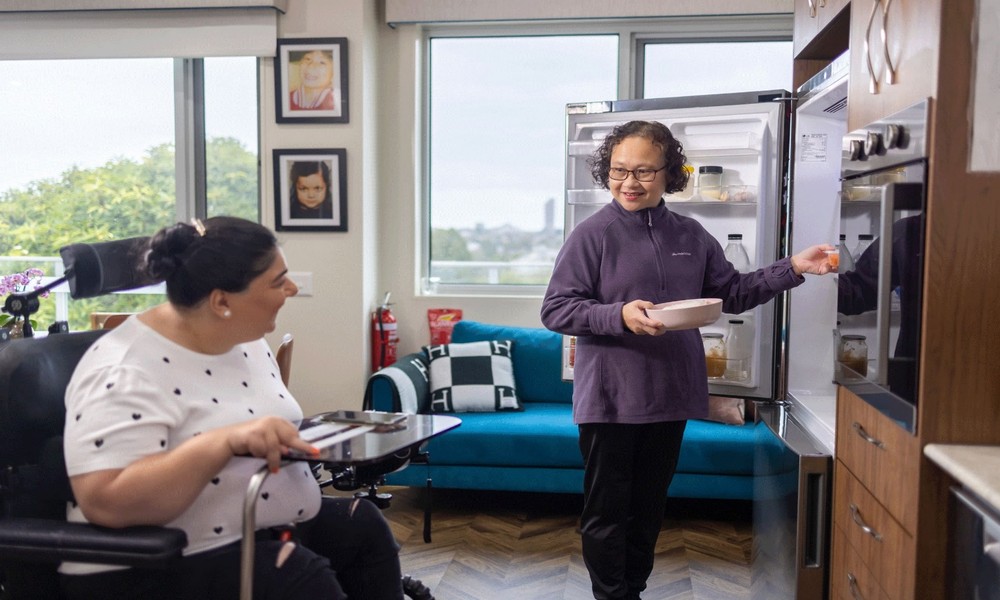
I have spent years looking at disability home care services from every angle. Providers, families, coordinators, and plans on paper versus care in real homes. Patterns show up fast. Some services look strong on a website but fall apart once routines change. Others stay steady because they understand daily life, not checklists. That difference matters when you are choosing support that affects your home, your time, and your peace of mind.
My process is simple. I look at consistency, flexibility, clinical backing, and how well a provider adapts without friction. I also pay attention to how they treat independence. Support should help you live your life, not reshape it. I will walk you through what actually makes good home care work, what to look for, and why ONCALL keeps standing out in this space.
WHAT ACTUALLY MAKES HOME CARE WORK LONG TERM
Most people already know the basics. What gets overlooked are the details that show up after the first few weeks.
Here is what I look for every time.
- Care that adapts as needs change, without restarting the whole process
- Support workers who follow your routines, not their own
- Strong clinical oversight behind the scenes
- Clear communication with families and coordinators
- Respect for privacy, dignity, and choice inside the home
When these pieces are missing, support feels heavy. When they are present, care blends into daily life. That is where in home disability support becomes something that actually helps, not something you have to manage.
WHY ONE SIZE NEVER WORKS IN REAL HOMES
I have seen many plans built around generic service blocks. On paper they look fine. In real life they cause stress.
Homes are personal spaces. Routines change. Energy levels shift. Health needs move up and down. Good providers design support around this reality.
ONCALL approaches in home disability support by starting with the person and their environment. They take time to understand how someone lives day to day. Care plans stay flexible and can adjust without disruption. That alone removes a lot of pressure for families.
They support:
- Personal care with respect for privacy
- Daily living tasks like meals, cleaning, and errands
- Medication support with clinical oversight
- Transport to appointments and community activities
- Ongoing reviews as needs or goals change
This kind of structure allows support to grow or scale back without losing stability.
STEP BY STEP, HOW QUALITY HOME SUPPORT BUILDS CONFIDENCE
I like to break this down into clear steps because it helps you evaluate providers quickly.
Step 1: Daily Stability Comes First
Support should make mornings easier, evenings calmer, and routines predictable. ONCALL focuses on consistency in workers and schedules, which reduces anxiety and fatigue.
Step 2: Skills Are Supported, Not Replaced
Instead of doing everything for someone, support workers encourage participation where possible. Cooking, budgeting, planning, and household routines become shared tasks that build confidence.
Step 3: Clinical Needs Are Covered Quietly
For people with complex needs, clinical care has to be solid but not overwhelming. ONCALL delivers nursing care, mobility support, continence care, and medical management within strong safety frameworks.
Step 4: Social Life Is Not Ignored
Isolation is common when care stays only inside the home. ONCALL supports community engagement, hobbies, group activities, and social routines that keep life balanced.
This process works because it mirrors real life instead of forcing people into rigid service models.
WHY CLINICAL BACKING MATTERS MORE THAN MOST REALISE
Here is something I see families underestimate. Clinical governance.
When care involves medication, mobility support, neurological conditions, or palliative needs, there must be strong systems behind the scenes. ONCALL operates with audited standards, 24/7 care coordination, and experienced clinical teams. That reduces risk and prevents small issues from becoming serious problems.
They support people with:
- Brain and spinal cord injuries
- Neurological and progressive conditions
- Mental health and developmental needs
- Stroke recovery and early onset dementia
- Palliative and end of life care
This level of capability matters if needs increase over time.
WHAT SETS ONCALL APART FROM OTHER OPTIONS
I stay cautious about recommendations. Reputation matters, but structure matters more.
ONCALL has over 30 years of experience, national coverage, and a workforce built around training and accountability. They invest in staff, which leads to better retention and more consistent care. Their zero tolerance approach to harm and strong human rights focus adds another layer of trust.
They also offer supported accommodation, respite options, and youth and family services. That means care stays connected across life stages instead of breaking apart.
HOW YOU CAN USE THIS TO MAKE A SMART CHOICE
If you are comparing providers, here is my advice.
- Ask how often care plans are reviewed
- Ask how clinical needs are handled at home
- Ask about worker consistency and training
- Ask how they support independence over time
Good answers sound calm and clear. ONCALL tends to meet these questions with structure instead of sales talk.
Choosing disability home care is not about finding the biggest name. It is about finding support that fits real life, adapts with you, and stays reliable over time. That is why ONCALL keeps earning trust across Australia.